



















- What is a split system AC?
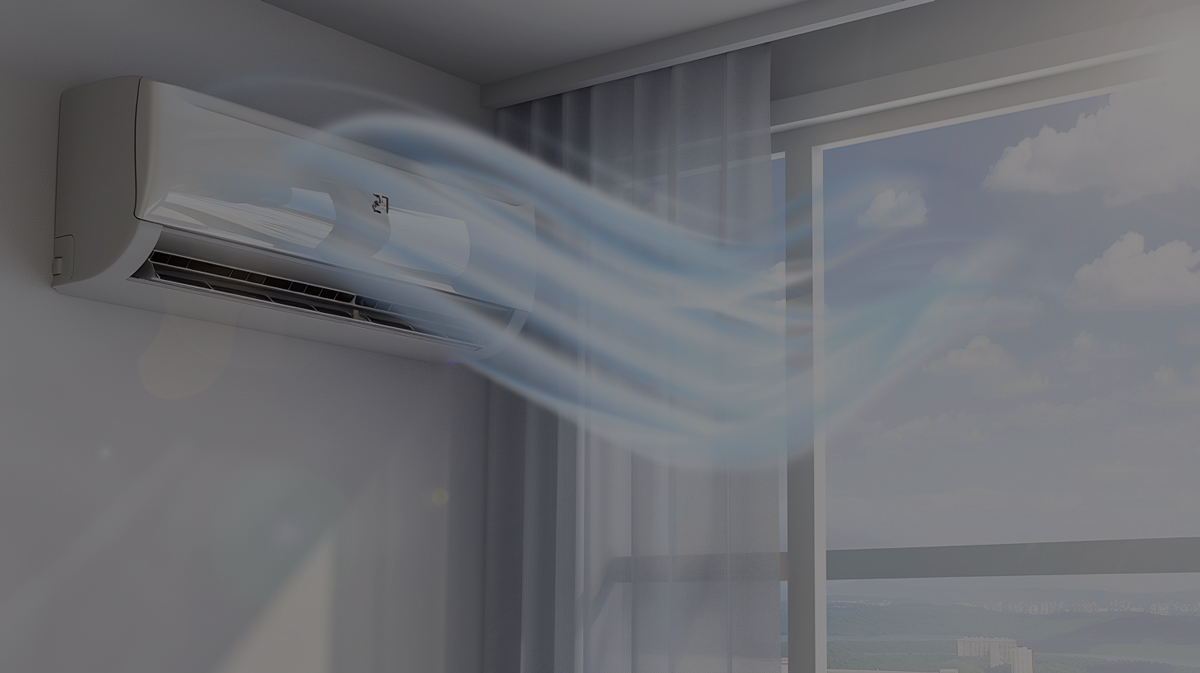
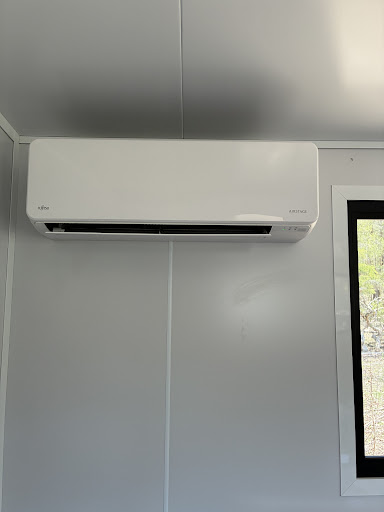
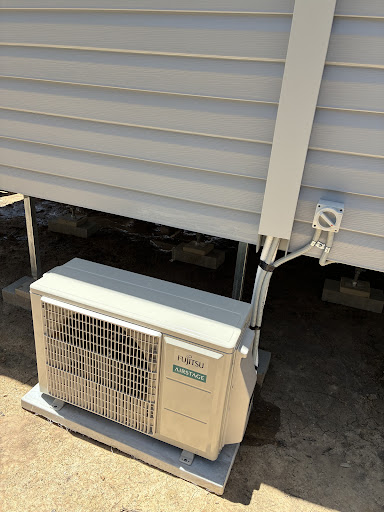
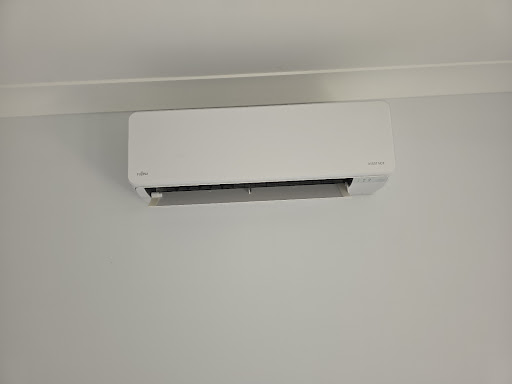
A split system air conditioner consists of two separate units – an outdoor component and an indoor unit – that work together to provide cooling to a space. The outdoor unit houses the compressor, while the indoor unit contains the evaporator and blower.
- How does a split system AC work?
A split system AC works by circulating refrigerant between the outdoor and indoor units. The compressor in the outdoor unit compresses the refrigerant, which becomes hot and high-pressure. This refrigerant is then pumped to the indoor unit, where it passes through the evaporator coil and absorbs heat from the indoor air. The cooled air is then blown back into the room by the indoor unit’s blower. The opposite can be achieved with a reverse cycle system.
- What are the benefits of owning a split system versus ducted air conditioning?
Both split system and ducted air conditioning systems have their own advantages and disadvantages, so it’s important to consider your specific needs and budget when deciding which system is right for you.
Benefits of Split System Air Conditioning:
- Cost-effective: Split systems are generally less expensive to install than ducted systems, making them a more affordable option for smaller homes or apartments.
- Zoning capability: Split systems can be installed in multiple rooms, with individual temperature control for each room. This means you can adjust the temperature to your liking in each room, which can save you money on energy bills.
- Easy to install: Split systems are relatively easy to install, and don’t require extensive ductwork or renovation. They’re also easier to maintain and repair than ducted systems.
- Can split system air conditioners be used for heating as well as cooling?
Yes, split system air conditioners can be used for heating as well as cooling. Most split system air conditioners are designed to be reverse cycle, meaning they can provide both heating and cooling. Reverse cycle split system air conditioners work by reversing the refrigerant flow so that heat is absorbed from the outside air and transferred inside for heating.
- How often should I service my split system air conditioner?
At least once a year. Regular servicing helps to maintain the efficiency and performance of your air conditioner and can prevent breakdowns and costly repairs. During a service, our technicians will clean and inspect both the indoor and outdoor units, check the refrigerant levels, and test the system for any faults.
- Is split system aircon expensive to run?
The cost of running a split system air conditioner depends on a number of things, such as the size of the unit, the efficiency of the system, the temperature setting, and the cost of electricity. 1 degree of temperature difference makes a considerable impact on your power bill. By only cooling the rooms that are in use, you can reduce your energy consumption and lower your electricity bills.
- Do you service Mitsubishi Electric AC units?
Yes, we do. We’re your HVAC Hunter Valley approved service and repair technicians for all major brands of air conditioning unit systems. We’re experienced in all types of air conditioning for heating systems and cooling systems.
- What is a split system air conditioning unit and how does it work?
A split system air conditioning unit is an option for cooling or heating your house, where half of it resides indoors, while the other half of the system sits outside. The outdoor unit works hard to dissipate heat, while the indoor unit keeps your space cool and comfortable. It’s a dynamic duo that can provide both heating and cooling, making it a versatile choice for any home in the Hunter Valley.
- What’s the difference between a split system and a ducted air conditioning system?
Think of a wall mounted split system as a solo artist, while a ducted air conditioning system is more like a full orchestra. A split system cools specific rooms, while ducted heating and cooling solutions distribute air through ducts to cool or heat the entire home. Choose your performer based on your cooling needs, budget, and how much space you’re willing to dedicate to the air conditioning installation.
- What does “reverse cycle” mean?
Reverse cycle air refers to an aircon system that can both heat and cool your home using the same unit. It works by reversing the usual refrigeration process. In cooling mode, it removes heat from inside your home and releases it outside. In heating mode (reverse cycle), it extracts heat from the outside air and brings it inside — even in cold weather.
- How long does the install process take?
The duration of the installation process can vary depending on several factors, including the complexity of the installation and the specific model of the air conditioning system. Generally, the entire installation can take anywhere from 4 to 8 hours. If you are having multiple units installed or if there are complications, it may take longer.
- What steps are involved in the installation of a split system air conditioner?
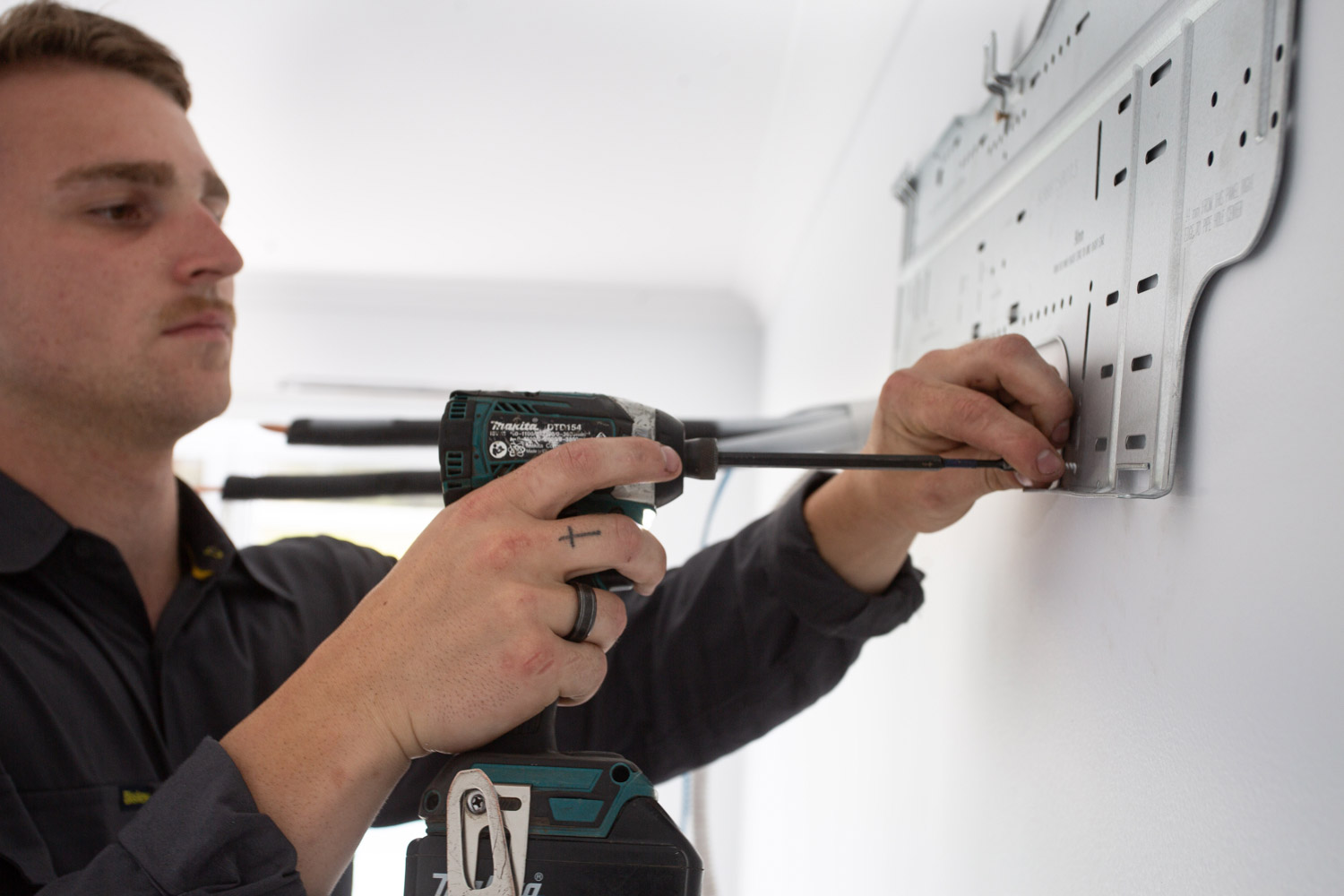
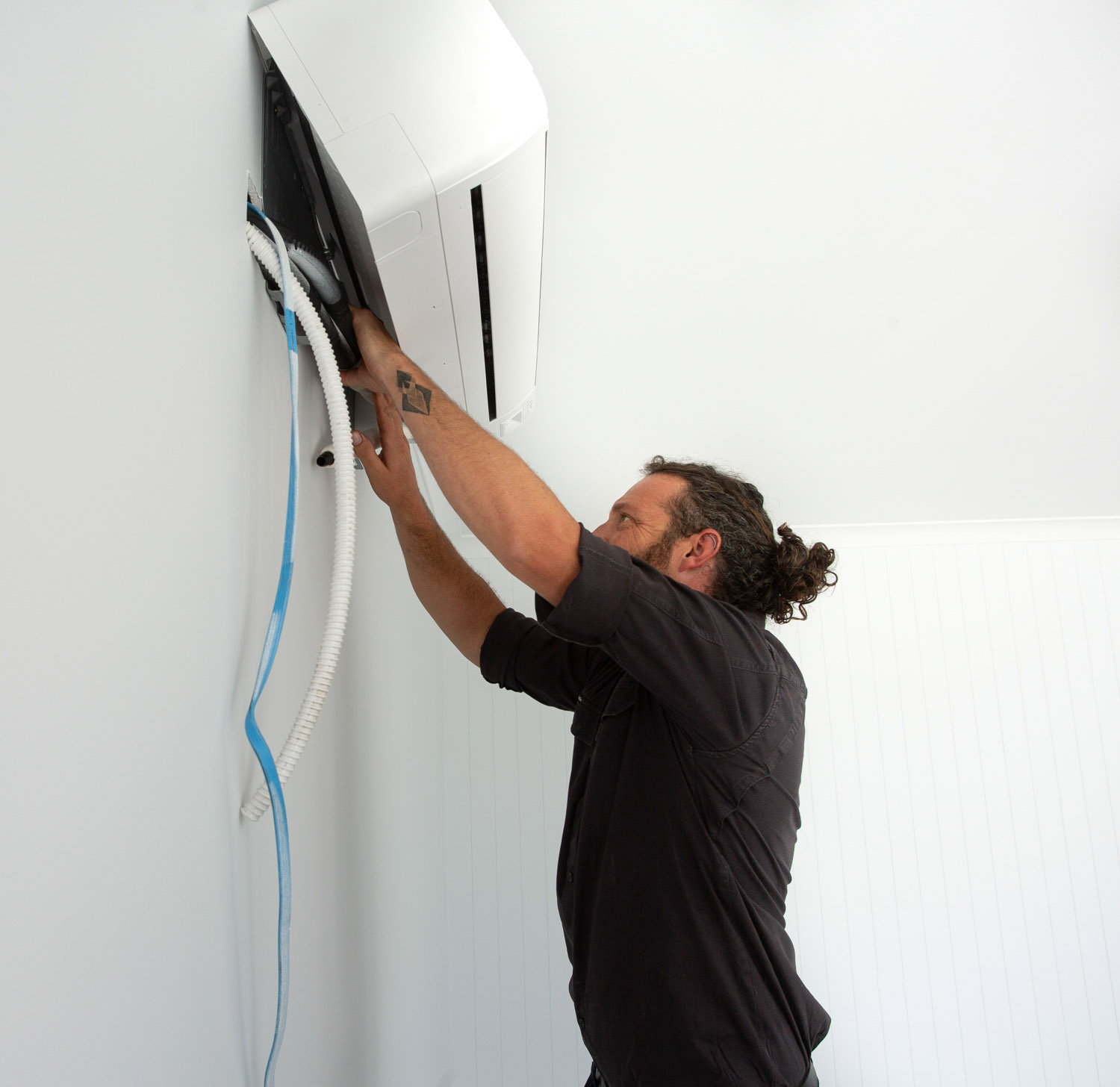
Any Australian airconditioner installation needs to be done by a licenced air conditioning specialist. If you’re trying to save costs of installing with a DIY attitude, please note that this is not legal in NSW Australia. First, we start by selecting the appropriate location for the indoor components and outdoor components, ensuring that there is adequate clearance for airflow. Next, the installation team, who are licensed electricians, will mount the indoor parts on the wall and connect it to the outdoor unit using refrigerant lines for evaporative cooling, electrical wiring, and a drainage line. Finally, the outdoor unit is positioned securely, and all connections are tested to ensure proper functionality. The entire process usually takes a few hours, depending on the complexity of your building.
Split System Air Conditioning Installation
- Fixed price – no hidden costs.
- Manufacturer approved technicians.
- Thorough 21-point system checks
- Energy efficiency focused.
- Approved servicing to maintain your warranty.
- Hunter Valley family business