












- How fast can tank temperatures rise after a chiller failure?
It depends on tank size, fermentation stage and ambient temperature. In the Hunter Valley during peak summer, an actively fermenting tank can gain several degrees per hour without cooling. The sooner cooling is restored, the less impact on the batch.
- Can I restart my chiller after a high-pressure alarm without a technician?
You can attempt a reset, but allow the glycol tank to cool back to operating temperature before bringing tanks online. If the alarm trips again, there is an underlying issue – fouled condenser, failed fan motor, or refrigerant problem – that requires a qualified technician. Repeated resets without addressing the cause can damage the compressor.
- What is the most common cause of chiller failure during vintage?
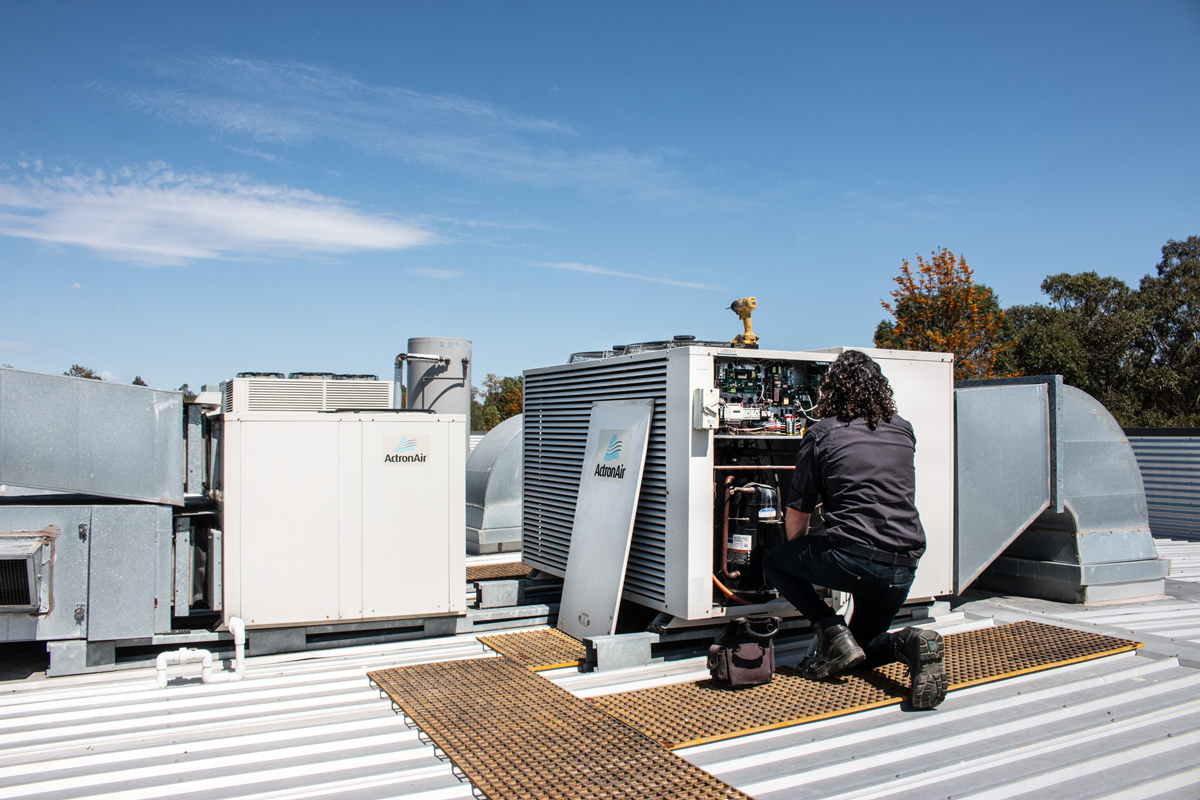
Dirty condenser coils. The Hunter Valley’s dust, pollen and humidity foul condenser fins faster than urban environments. A partially fouled condenser that was coping in spring can no longer keep up once summer heat loads increase. A pre-vintage condenser clean prevents this.
- Do you provide temporary cooling while my chiller is being repaired?
Yes. We offer portable cool room hire and temporary chiller solutions. Service plan clients receive priority access and preferential rates.
Emergency Chiller Breakdown During Vintage
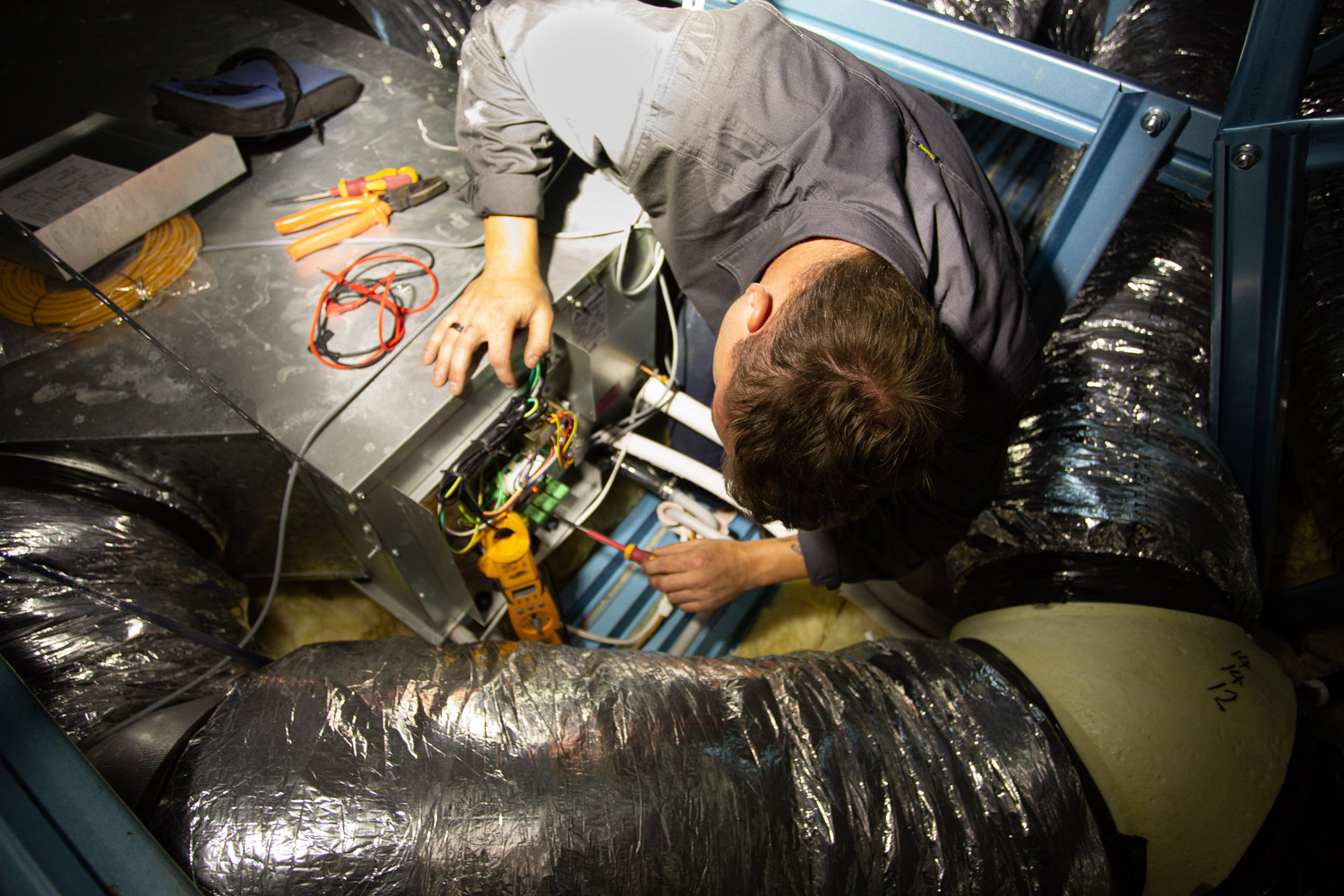
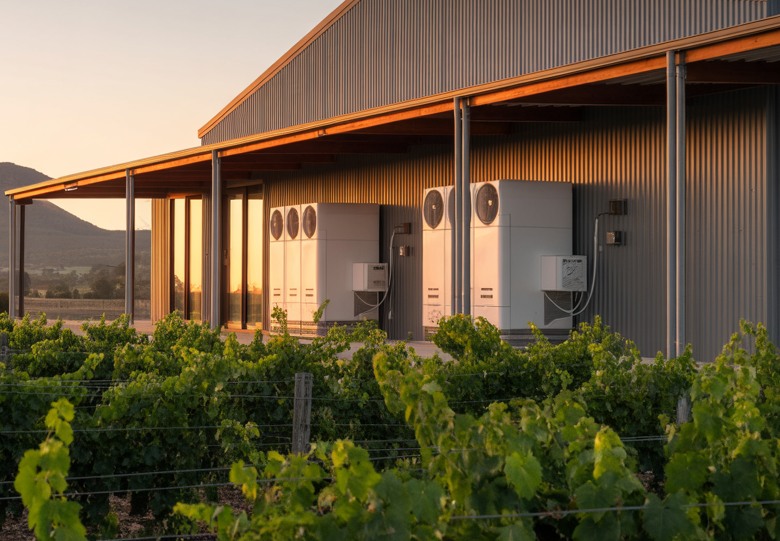
An emergency chiller breakdown during vintage is one of the highest-pressure situations in a Hunter Valley winery. You already know what is at risk. The question is how fast you can respond, what you can do in the first hour, and whether your service partner can get to you before the situation compounds.
The Hunter Valley’s summer conditions leave no natural buffer. When ambient temperatures are above 35°C and the chiller goes offline, tank temperatures move quickly. The speed of your response determines the outcome.