





RCD testing is important to keep your NSW workplace safe and compliant. In New South Wales, every business is required to have this type of testing documented by a professional electrical equipment tester every 12 months. Testing procedures typically don't take long, nor does it cost an arm & a leg.

What is RCD testing?

What is RCD testing, and why do you need it? It boils down to health and safety requirements in the workplace. An RCD is commonly referred to as a safety switch and RCD testing is the compliance testing of that Residual Current Device. It’s a sensitive life-saving component of your electrical board (a safety switch), which is designed to prevent you from getting a fatal electric shock if you touch something live. For example, a bare wire or from a faulty electrical appliance. An RCD switch also provides protection from electrical fires by tripping the circuit if an imbalance occurs. RCD’s offer protection and reassurance that ordinary fuses and circuit breakers can’t. Our professional technicians test your electrical equipment by carrying out portable RCD safety switch testing services, ensuring that the test button functions correctly and verifying the proper flow of electricity.

Home & Workplace Testing Requirements

For public buildings, businesses, and travelling & temporary installations for public use it is a legal requirement to get your RCD’s tested every 12 months in accordance with the Health (Public Buildings) Regulations Act 1992. The government requires all electrical outlets must be protected by residual current devices (RCDs) which must be tested and tagged every 12 months. Getting your RCDs tested is all about ensuring electrical safety, RCDs provide protection against electric shock and a potential life saving device. For managing electrical risks effectively RCDs need regular testing and we recommend homeowners get their RCDs tested once a year.

CONTACT US BOOK RCD TESTING
5.0 Stars - Based on 266 User Reviews

Clients we work with

Hughs-mechanical-logo
mcdonalds-logo
Leaves-&-Fishes-logo
Taylor-&-Thomas-Logo

How It Works: Test and Tag

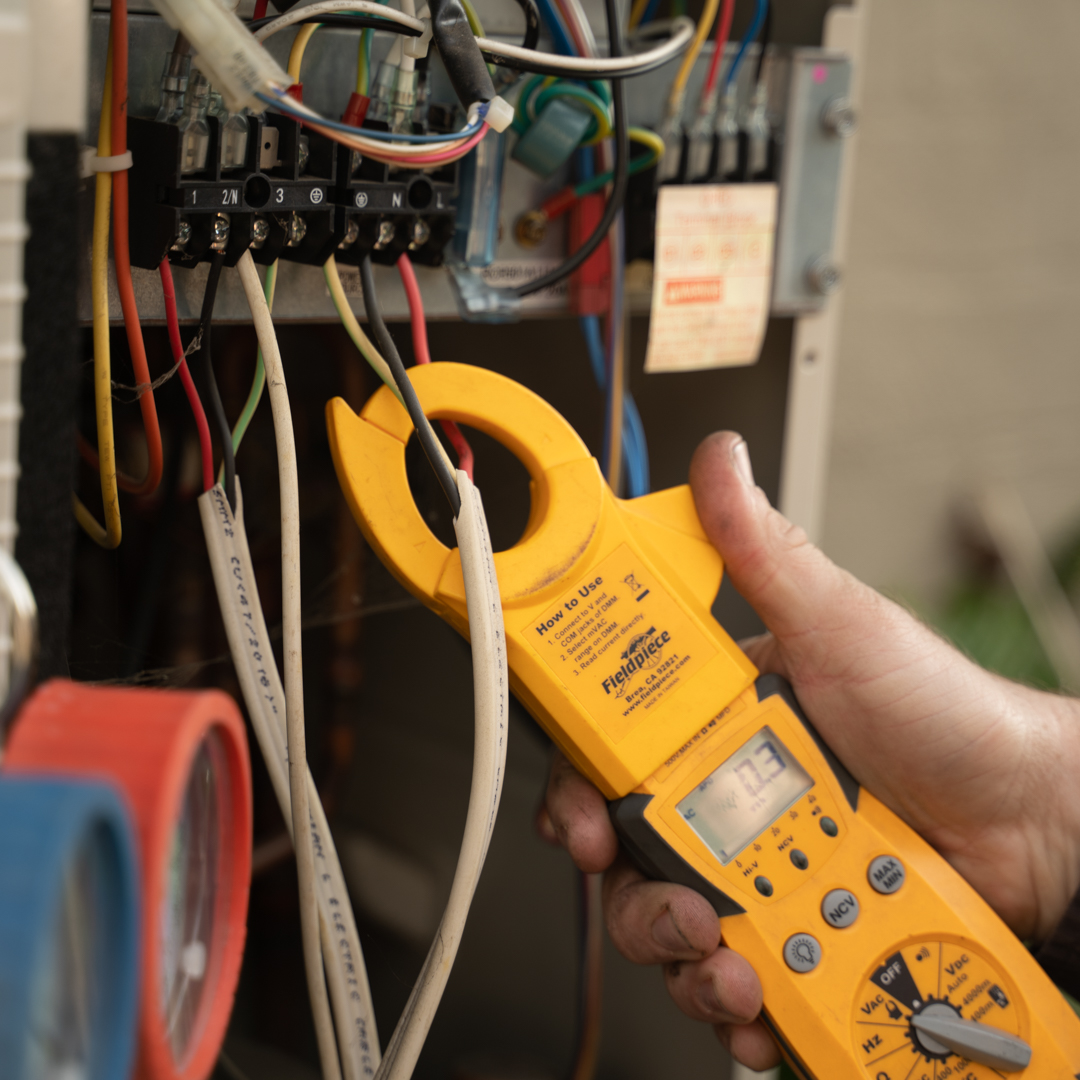
To test these in your home or office, our electrician will use an RCD testing device to measure the exact time and amperage your RCD takes to trip. This testing device is a precision instrument and will record the reading in milliseconds and milliamps. If your device does not meet the maximum trip time it fails the test and we can perform any rectification or works required to comply.Once your RCD is tested we can then tag, so you know when it was last tested by an electrician.

You can personally test your RCD more regularly by pressing the button marked “T” or “test”. The device will then switch off the supply and then be switched on the restore the supply. If the device does not cut off the supply when tested contact an electrician. 

It is madatory for businesses in NSW to get tested and tagged by a professional every 12 months. Get in touch for our test and tagging service.

5.0 Stars - Based on 266 User Reviews
switchboard-safety
aircon-service

Brands we recommend

Fujitsu-air-conditioning-logo
Actron-Air-Logo
Daikin-air-condioner-logo

What our clients say

Rated 5 out of 5 stars based on 266 customer reviews.

What you need to know about RCD Testing

thumbs-up-icon
RCD tripping will occur when a neutral or earth fault is identified by the switch when the circuit output current is different to the return current.
air-conditioner-airflow-strength-icon
If the RCD continually trips (or intermittently trips) this indicates a fault somewhere in the circuit which must be located and rectified for safety reasons.
air-temperature-cooling-logo
Faulty electronics, equipment, and wiring can put people at risk of electrocution, electrical burns, and injuries or property damage due to fire.
Aircon-graphic
An RCD could save your life in the event of an earth fault. It acts by ensuring the electrical current is cut off if there's any current leaking through a faulty appliance.
air-conditioning-icon
If your RCD trips and you cannot reset it, or after resetting it trips again, you may have a faulty device and it will need to be checked by a licensed electrician.
heating-icon
Your RCD should be tested regularly and according to the Australian & New Zealand standards.

RCD Testing FAQ's

  • RCD (Residual Current Device) testing is a process to ensure the safety of electrical systems and equipment in Australia. It measures the amount of current that is flowing through an electrical circuit and quickly cuts off power if a dangerous situation is detected, such as an electrical shock or a fire hazard.

  • The purpose of RCD testing is to reduce the risk of electrical shock, electrocution and fires in homes, workplaces, and public areas. RCD testing helps to detect any faults or defects in electrical systems that may compromise safety.

  • es, RCD testing is mandatory in Australia for all electrical systems and equipment in homes, workplaces, and public areas. According to the Australian Standard AS/NZS 3760:2010, RCD testing must be performed at least every 10 years or after any significant changes to an electrical system.

  • The owner of the property, business or equipment is responsible for ensuring that RCD testing is performed by a qualified electrician. It is also the responsibility of the electrician to certify that the RCD test has been conducted in accordance with the Australian Standard.

  • If RCD testing is not performed, the owner of the property or equipment may be liable for any electrical incidents that occur as a result. In addition, insurance companies may refuse to pay out in the event of an electrical incident if RCD testing has not been performed.

  • RCD testing is performed by a qualified electrician using specialized equipment to measure the current flowing through the electrical circuit. The electrician will test the RCD by simulating a fault condition and measuring the response time of the RCD. If the RCD does not operate within the specified time, it may need to be replaced.

  • In New South Wales, RCD testing must be performed at least every 12 months, or after any significant changes to an electrical system, in accordance with the Australian Standard AS/NZS 3760:2010.

Thank you for your message. It has been sent.

Our Service Areas

We are proud to serve a wide range of locations across the Hunter Valley region. Whether you need air conditioning, refrigeration, or solar solutions, our expert team is ready to provide fast, reliable service. Explore the areas we cover below, and get in touch with us for tailored solutions designed to meet your needs, wherever you are.