




award-graphic

10 Day Install Guarantee

Terms*


Solar AC Hunter Valley

Benefits of Solar Air Conditioning Solutions

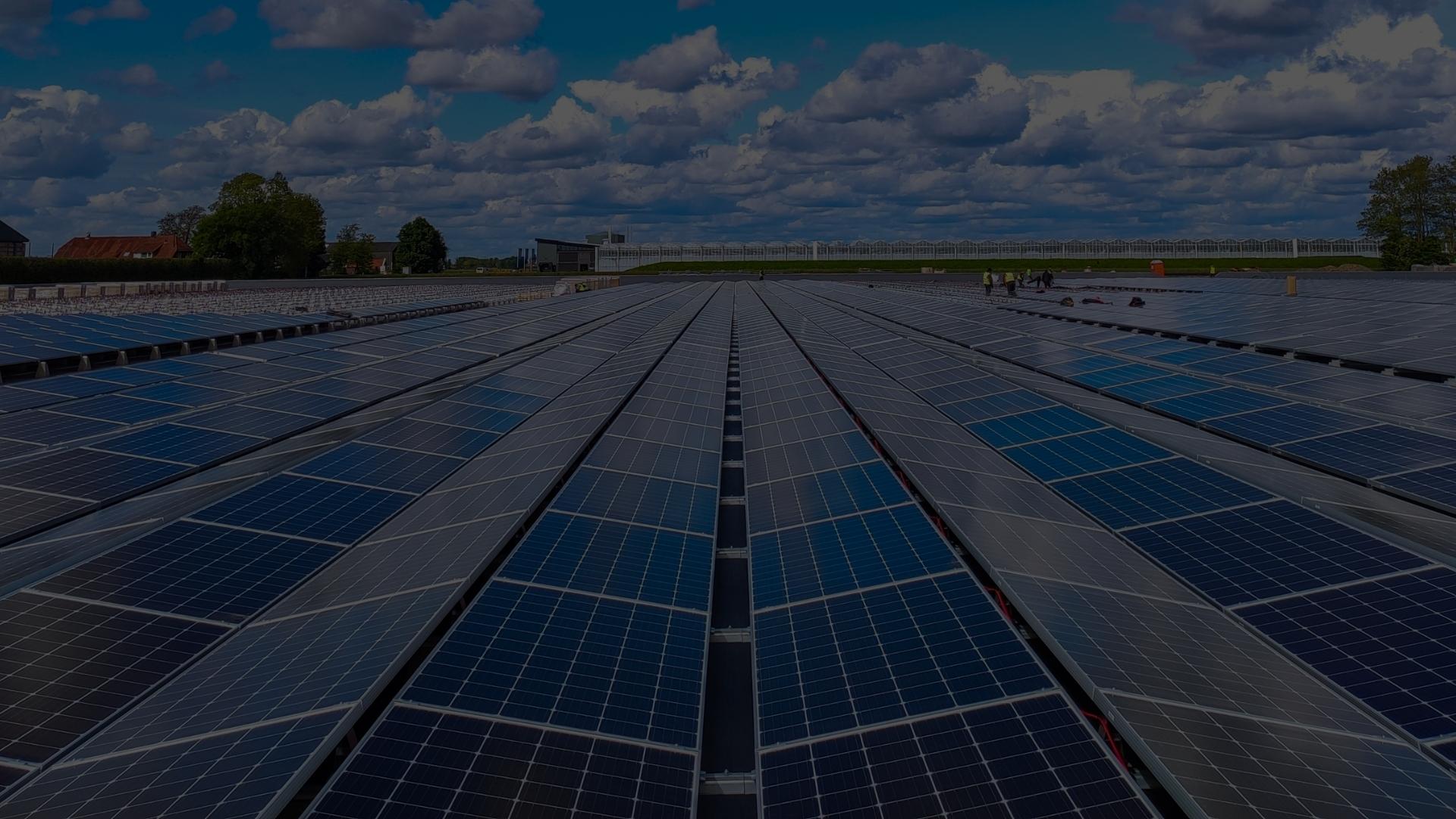
Solar Panels = 100% Off-grid Energy

A solar air conditioner is an excellent solution for those looking to live, or work off-grid, or to reduce their reliance on the electrical grid where power has previously been difficult or non-existent. With a solar system, or even a hybrid solar system controller, you can also enjoy the benefits of a comfortable indoor environment without having to worry about running costs.

Battery Powered Solar DC

Solar Aircon is battery powered rather than feeding from the mains energy grid. Solar air conditioning systems use batteries & solar DC power, which is then converted to AC power using an inverter to operate the air conditioning unit. The batteries are used to store the energy collected from the sun during the day and use it to power the air conditioner when needed. This means that even if the sun is not shining, you can still enjoy a comfortable indoor environment.

Wide Temperature Operating Range

Our solar equipment is designed to work in the harshest variety of temperatures, weather conditions and climates. These air conditioners can operate efficiently in both hot and cold temperatures, ensuring that you can stay comfortable throughout the year.

Ecological, Economical, Energy Saving

Choosing a solar air conditioner is not only good for the environment, but it can also save you money in the long run. By reducing your reliance on the electrical grid, you can lower your energy bills and reduce your carbon footprint. Additionally, solar air conditioners require minimal maintenance, which means that you’ll save money on repair and upkeep costs over time.

Solar Energy has Zero Operating Costs

Solar AC has zero operating costs. This makes solar air conditioners an excellent choice for those looking to save money and reduce their impact on the environment.

Book a split system consult
  1. More than 18 years experience
  2. More than 500 installed systems
  3. Free consultation and selection of equipment
5.0 Stars - Based on 266 User Reviews
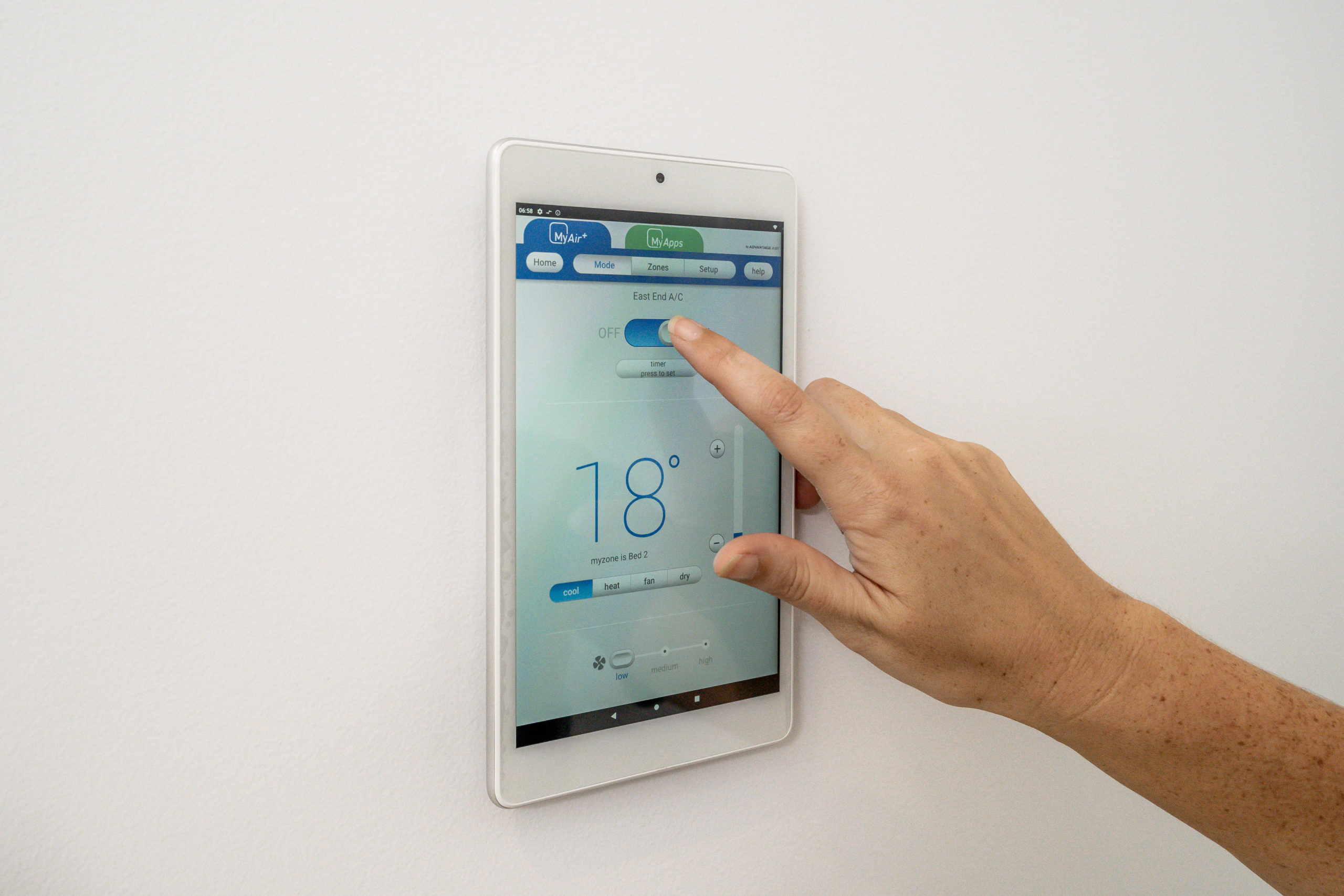
advantage-air-partner-ipad-interface-smart-home

Clients we work with

Hughs-mechanical-logo
Leaves-&-Fishes-logo
mcdonalds-logo
Taylor-&-Thomas-Logo

Comparing Two Air Con Solar-Ready Split Systems in Australia

When you’re pairing an air conditioner with a home solar setup, the best results come from choosing a high-efficiency inverter system with low running costs, quiet performance, and strong air-quality features. Mitsubishi Electric and Daikin are two of the most trusted brands in Australia, and both offer 3.5 kW models that work exceptionally well with rooftop solar by keeping energy demand low during daytime operation.

Below is a clear, side-by-side comparison of the Mitsubishi Electric MSZ-AP35 and the Daikin Alira X FTXM35, two similar-capacity units that deliver strong cooling power with different strengths in efficiency, noise, and air purification.

5.0 Stars - Based on 266 User Reviews
Solar Power Systems

Mitsubishi Electric MSZ-AP35 vs Daikin Alira X FTXM35 (3.5 kW Models)

Attribute Mitsubishi Electric MSZ-AP35 (3.5 kW) Daikin Alira X FTXM35 (3.5 kW)
Energy efficiency / rating AEER  ≈ 4.01  (cooling) AEER  ≈ 4.36  (cooling/heating)
Typical retail price (supply-only) A$1,089 – A$1,350 A$1,389 – A$1,775
Noise level (Silent / High mode) 19 dB(A) / 45 dB(A) 19 dB(A) / 42 dB(A)
Air-purification features Washable filter + Dual-Barrier Coating Streamer oxidative purification + enzyme/deodorising filter
Warranty coverage 5-year parts & labour (residential) 5-year parts & labour (residential)

(All prices shown are supply-only; installation not included.)

5.0 Stars - Based on 266 User Reviews

Summary: Which Brand Is Better for What?

Both models are excellent, but they excel in different areas. Mitsubishi Electric offers a more affordable price and a very quiet “Silent” mode, making it ideal if you’re budget-conscious and want reliable day-to-day cooling. Daikin, on the other hand, edges ahead in energy efficiency and air quality. Its Streamer air-purification system and stronger filtration make it the better option for families with allergies or for anyone who prioritises indoor air health. Noise levels are similar, but Daikin’s high-mode volume is slightly lower.

Both Mitsubishi Electric and Daikin list an AEER (Annual Energy Efficiency Ratio),  but Daikin’s is slightly higher. In real-life terms, the difference is modest, but for someone running their AC heavily, especially during summer or relying on daytime solar — the Daikin may provide slightly lower long-term running costs.

Overall, Mitsubishi wins on price and simplicity, while Daikin wins on air quality and advanced features.

5.0 Stars - Based on 266 User Reviews

What our solar AC clients say

Rated 5 out of 5 stars based on 266 customer reviews.
Hunter-Valley-residential-aircon-service

Brands we recommend

Daikin-air-condioner-logo
Fujitsu-air-conditioning-logo
Actron-Air-Logo

Things to Consider When Choosing an AC Brand for a Solar Panel Setup

Selecting the right air conditioner for a home with solar panels requires more than just picking a reliable brand. Climate, humidity, sunlight availability, and solar-system performance all play a role in how efficiently your AC will run, especially in the Hunter Valley. Below are the key factors homeowners should consider before deciding on a model.

1. Climate and Seasonal Relevance

The Hunter Valley experiences a wide range of temperatures, making both cooling and heating performance important:

  • Summer Heat: Upper-valley summers often reach 30–32°C, with multiple days each year exceeding 35°C. Your AC needs to deliver strong, efficient cooling on very hot days.
  • Winter Cold: Inland areas and higher elevations (e.g., Barrington Tops) routinely see nighttime lows of 4–8°C. A heat pump with good low-temperature performance is essential for comfortable winter heating.
  • Year-Round Use: Because both seasons feature extremes, choose a brand known for consistent efficiency in both cooling and heating modes.

2. Humidity Management

Humidity significantly affects comfort and energy use in the Hunter region, especially near the coast. High Summer Humidity: Muggy weather can make homes feel warmer and reduce AC efficiency.

Choose a split system with:

  • Cooling + Dry/Dehumidifier modes to help manage moisture
  • Built-in humidity controls for more stable comfort
  • Good airflow and filtration to reduce condensation and mold risk

Why It Matters: Better humidity control equals better comfort and lower running costs

3. Sunlight Availability and Solar Production

Solar generation is generally strong in the Hunter Valley, but seasonal shifts matter.

  • Spring & Summer: Expect around 7–10 hours of strong sunlight, ideal for running a split system directly from solar during the day.
  • Winter: Sunlight drops to 4–5 peak sun hours, and cloudy weeks may further reduce solar output.

What This Means:

Over-sizing your solar system slightly can help support winter heating loads.
Alternatively, consider battery storage if you need heating or cooling during low-sunlight hours.

4. AC Efficiency and Solar Compatibility

To maximise solar use and reduce grid reliance, look for these features:

  • High efficiency (high SEER/AEER ratings) to reduce daytime energy draw
  • Inverter technology, which adapts power consumption to the cooling/heating load
  • Solar-friendly features, such as models that handle variable power supply smoothly
  • Optional hybrid/solar-ready ACs, which can accept DC solar power or blend solar and grid power intelligently
  • Proper sizing by your installer to match AC demand with actual solar output—important for partial off-grid setups or homes with limited battery capacity

5. Local Tips for Optimal Performance

Regular servicing is essential in humid regions like the Hunter Valley to prevent mould build-up and airflow restrictions.

If you’re planning off-grid living or want night-time cooling/heating, ensure your battery system is sized to handle the AC’s hourly load.

Consult a licensed installer to check whether your home’s insulation and airflow are adequate—better thermal performance reduces the load on your AC and your solar system

Need To Know's About Solar Air Conditioning Installation

Aircon-graphic
A solar air conditioner works by using solar power to generate electricity that powers the compressor and fans, which cool or heat the air. The system can also store excess energy in batteries to be used during periods of low solar energy output.
air-conditioning-icon
Solar AC can be a sizeable investment to purchase upfront compared to traditional air conditioners. However, they can save you money in the long run by reducing your energy bills and eliminating the need for expensive electrical grid connections.
heating-icon
A solar air conditioner can operate at night if it is connected to batteries that have stored solar energy during the day. The amount of time it can operate without sunlight will depend on the size of the battery and the power consumption of the air conditioner.
air-temperature-cooling-logo
Solar air conditioning units can be used in a range of climates, but their efficiency may vary depending on the location and weather conditions. They are most effective in areas with abundant sunlight and mild temperatures.
air-conditioner-airflow-strength-icon
Like all air conditioners, solar aircon units require regular maintenance to operate efficiently. This includes cleaning the filters, checking the refrigerant levels, and inspecting the electrical components. However, they generally require less maintenance compared to traditional air conditioning units
thumbs-up-icon
The lifespan of a solar air conditioner depends on various factors, including the quality of the components, the amount of use, and the level of maintenance. However, most solar air conditioners can last between 10-15 years or more with proper care and maintenance.

Which Air Conditioner is Cheaper to run in Hunter Valley NSW?

Electricity prices in NSW, including the Hunter Valley, generally sit between 27 and 34 cents per kWh in 2025 (before supply charges). Because air conditioners draw significant power during summer heatwaves and winter cold snaps, choosing an energy-efficient model can noticeably reduce your operating costs.

For the two 3.5 kW models:

  • Daikin Alira X FTXM35: AEER ~ 4.36
  • Mitsubishi Electric MSZ-AP35: AEER ~ 4.01

A higher AEER indicates better real-world efficiency, meaning the Daikin uses slightly less electricity to produce the same cooling output. When paired with daytime solar, this efficiency gap becomes even more meaningful, because the AC can rely more on your solar PV than the grid.

Sample Running Cost Calculation (8 Hours of Daytime Use)

This example shows how much you might spend running a 3.5 kW split system for eight hours during the day, when solar production is typically at its peak.

Assumptions:

  • Cooling mode
  • Typical real-world input power for a 3.5 kW inverter split: 0.8 kW (800 W)
  • Runtime: 8 hours during daylight
  • Electricity tariff: 31 cents per kWh (midpoint of NSW’s 27–34c range)
  • Solar offset: varies by system; we’ll show both grid-only and solar-assisted scenarios

Estimated Daily & Monthly Costs with 8 Hours of Daytime Use

1. Mitsubishi Electric MSZ-AP35

  • Estimated input power: ~0.80 kW
  • Daily energy use: 0.80 × 8h = 6.4 kWh
  • Daily cost (grid-only): 6.4 × $0.31 = $1.98
  • Monthly cost (grid-only): $59–$60

With Solar (60–90% offset):

  • Grid draw drops to ~1.6 kWh/day
  • Daily solar-assisted cost: ~$0.49
  • Monthly solar-assisted cost: $14–$15

Daikin Alira X FTXM35

  • Estimated input power (8–9% lower): ~0.73 kW
  • Daily energy use: 0.73 × 8h = 5.84 kWh
  • Daily cost (grid-only): 5.84 × $0.31 = $1.81
  • Monthly cost (grid-only): $54–$55

With Solar (60–90% offset):

  • Grid draw ~1.46 kWh/day
  • Daily solar-assisted cost: ~$0.45
  • Monthly solar-assisted cost: $13–$14

Summary Findings: Which Brand is Cheaper?

Model Daily Cost (Grid-Only) Monthly Cost (Grid-Only) Daily Cost With Solar (60–90% Offset) Monthly Cost With Solar
Mitsubishi Electric MSZ-AP35 $1.98/day $59–$60/month ~$0.49/day $14–$15/month
Daikin Alira X FTXM35 $1.81/day $54–$55/month ~$0.45/day $13–$14/month
Daikin Alira is slightly cheaper, on or off the grid. But running either system during the day with solar cuts monthly cooling costs by 70–75%. That’s real savings right there.

Contact Us

FAQ's on Solar Air Conditioners

  • Hybrid solar air conditioners use solar power to generate electricity. There are two types of hybrid aircon, indirect and direct, and they both have a backup system that switches to grid power when needed. In places where you get lots of sun hybrid aircons are a great way to save money on your electricity bills!

  • In theory, yes. You need enough panels to power your home and enough sunlight. For solar aircon units it’s pretty easy in Australia to get enough sun to power the unit for the summer months at least!

  • Panels produce the most power with strong sunlight, but they become slightly less efficient on very hot days (above ~25°C). Since Hunter Valley summers regularly reach 30–35°C, expect excellent production overall, but with a small drop in efficiency during extreme heatwaves.

  • Yes, the Hunter Valley gets 7–10 hours of sunlight in spring and summer, which is ideal for running a split system during the day. Even with heat-related efficiency drops, most systems (6.6 kW and above) can comfortably run a 3.5 kW inverter AC during peak sunlight hours. This is assuming, of course, that you get enough panels.

  • Very important. High-efficiency, inverter-based units make better use of fluctuating solar generation. Since solar output varies minute-to-minute with passing clouds, an inverter AC’s ability to ramp power up or down prevents unnecessary grid draw.

  • Hybrid solar air conditioners use solar power to generate electricity. There are two types of hybrid aircon, indirect and direct, and they both have a backup system that switches to grid power when needed. In places where you get lots of sun hybrid aircons are a great way to save money on your electricity bills.

  • In theory, yes. You need enough panels to power your home and enough sunlight. For solar aircon units it’s pretty easy in Australia to get enough sun to power the unit for the summer months at least.

  • In high-altitude or inland areas (e.g., Barrington Tops region), winter nights can drop to 4–8°C. Modern heat pumps still work efficiently at these temperatures, but their power consumption rises slightly. Customers relying on solar heating should expect higher winter grid usage unless they have a larger array of panels or a solar battery.

  • Both Daikin and Mitsubishi Electric are known for long service life in Australian conditions. They use high-quality components, offer reliable after-sales support, and provide a 5-year parts and labour warranty on their split systems. In real homes, the lifespan of either brand typically depends more on proper installation, regular servicing, and usage patterns than on the brand itself.

    Bottom line: Both are equally durable and can last 10–15+ years with proper care.

  • Both models offer very low noise levels in their “quiet” or “silent” modes:

    • Mitsubishi Electric MSZ-AP35: as low as 19 dB(A)
    • Daikin Alira X FTXM35: also around 19 dB(A)

    This noise level is similar to a whisper, making either unit suitable for bedrooms and night-time use. Differences appear only at higher fan settings, but in quiet mode both brands are effectively the same.

  • Yes. Both the Mitsubishi Electric MSZ-AP series and the Daikin Alira X series use R32 refrigerant. R32 is more energy-efficient and has a much lower global-warming potential than older refrigerants like R410A.

Ask a Question

    The field is required.

    The field is required.

    The field is required.

    Thank you for your message. It has been sent.

    Our Service Areas

    We are proud to serve a wide range of locations across the Hunter Valley region. Whether you need air conditioning, refrigeration, or solar solutions, our expert team is ready to provide fast, reliable service. Explore the areas we cover below, and get in touch with us for tailored solutions designed to meet your needs, wherever you are.