Last updated on April 18, 2026
Air conditioning maintenance in the Hunter Valley is more demanding than most homeowners realise. Between coal dust from Singleton and Muswellbrook, vineyard soil around Pokolbin, and smoke from winter wood heaters, your cooling system faces challenges that don’t exist in cleaner environments.
Understanding how local conditions affect your specific property helps you plan the right service schedule.
Understanding what your system is dealing with based on your locale will help you understand why some homes experience faster wear and performance issues than others.
Muswellbrook and Singleton form the centre of the Upper Hunter’s coal industry. These towns host and surround many of the region’s open-cut coal mines, making them key sources of both coarse dust and fine particles in the local air.
If your home sits in or near these towns, your outdoor unit is constantly exposed to airborne coal dust. Properties close to mines, coal stockpiles or along the rail corridors towards Newcastle face the highest dust loads. The problem isn’t just what you can see on surfaces. Fine particles work their way deep into coils, fan barrels and other internal components where they block airflow and reduce heat transfer efficiency.
Coal haulage along the Hunter rail lines adds another layer of exposure. Even rural blocks and smaller villages near these transport routes deal with elevated dust levels that affect cooling performance over time.
A power station near Muswellbrook operates as one of the region’s largest coal-fired facilities. While Liddell power station has closed, the broader Muswellbrook area still carries a legacy of heavy industrial activity that affects local air quality.
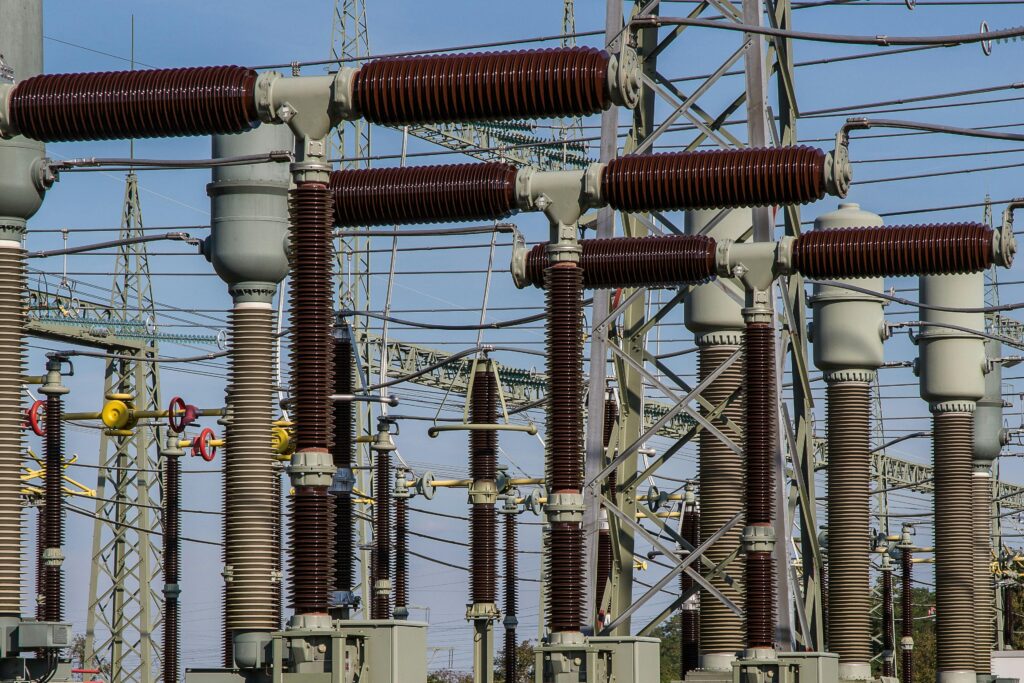
These facilities create an industrial corridor through the Upper Hunter. Rural properties and villages south and southeast of Muswellbrook, particularly near major access roads, face higher exposure to industrial particulates. These fine particles settle on outdoor coils, accumulate in fan casings, and gradually reduce your system’s ability to expel heat efficiently.
The fouling pattern mirrors what happens around other industrial cooling installations. Your compressor has to work harder to achieve the same cooling effect because the heat exchange process becomes less efficient as particle buildup increases.
The Hunter’s wine and farming belt runs through Pokolbin, Lovedale, Broke, Fordwich, Bulga, Cessnock and rural areas around Singleton. These districts combine vineyards with grazing operations, cropping and horse studs.
Dry, windy conditions in these areas kick up soil and paddock dust that outdoor units draw in continuously. Properties on unsealed roads or lightly trafficked rural lanes face the highest dust loads. Your outdoor unit sits there pulling in air all day, and that air carries fine soil particles that coat internal surfaces.
The challenge is different from mining dust but just as problematic. Agricultural dust tends to be lighter and travels further, meaning even properties set back from paddocks aren’t immune to the effects.
Regional air quality studies for the Upper Hunter identify domestic wood heating, planned burns and bushfires as major contributors to fine particle pollution during cooler months. Singleton and Muswellbrook show particularly high levels of these pollutants in winter.
Fine smoke particles behave differently from visible dust. They travel across much of the valley, affecting not just the source towns but smaller communities and rural areas downwind. You might not see buildup on your outdoor unit, but these particles penetrate filters and load internal components just the same.
The problem compounds because smoke events often coincide with temperature inversions that trap pollutants close to ground level, exactly where your outdoor unit draws in air.
Your air conditioner needs attention about once a year from a professional, plus you’ll want to handle filter maintenance yourself monthly to quarterly between those visits. But that’s just the starting point for Hunter Valley homes.
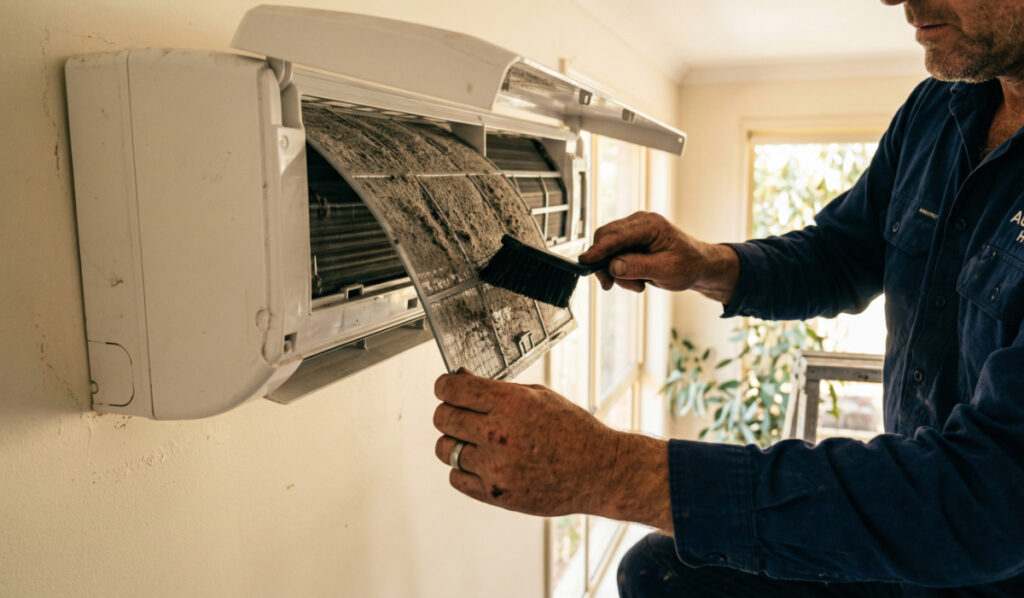
The region’s environmental conditions mean your actual maintenance schedule depends heavily on where you live and how you run your system.
Manufacturers across Australia recommend bringing in a technician yearly for residential cooling systems. This applies whether you’ve got wall-mounted splits or a whole ducted setup running through your home.
Timing matters. Most local contractors suggest scheduling this service before summer heat arrives. You’re checking everything works properly before you actually need it working properly. There’s nothing worse than discovering a problem on the first 35-degree day of the season.
New systems deserve an extra look. Many Hunter Valley technicians recommend an additional check roughly six months after installation. This early inspection catches any installation issues or component problems while they’re still easy to fix.
Heavy users need more frequent attention. If you’re cooling through most of summer and heating through most of winter, consider adding a mid-season inspection. Systems under this kind of load may warrant professional servicing anywhere from annually to twice yearly.
Filters need regular attention from you, not just annual cleaning from technicians. During summer and winter when you’re running the system regularly, plan on checking filters monthly to quarterly. Spring and autumn when usage drops? You can extend this interval since you’re not pushing as much air through the system.
Coils and indoor units benefit from deeper cleaning about twice yearly if you’re dealing with dust or mould issues. Otherwise, annual cleaning typically handles normal buildup.
This is the most important service window for Hunter Valley homes. Book your annual professional service before the heat hits. A technician will check refrigerant levels, clean coils caked with winter wood smoke residue, test all modes and verify your system is ready for sustained summer operation. If you only service once a year, this is the time to do it.
While your system runs daily through the Hunter Valley summer, filters clog faster than the manufacturer schedule suggests. Check and clean your filters every four to six weeks between November and March. Properties near mines, vineyards or unsealed roads should lean towards the four-week end of that range.
After three to four months of heavy cooling use, give your system a once-over before you switch to heating mode. Clean the filters, clear debris from around the outdoor unit, and check the drain line has not become blocked during the humid months. This does not need to be a full professional service, a 20-minute DIY check covers it.
If you use your reverse-cycle system for heating through winter, a mid-season filter check is worthwhile. Wood smoke from domestic heaters loads filters faster during the cooler months, particularly in Singleton, Muswellbrook and the smaller villages between them. Clean or replace filters and check the outdoor unit is clear of leaf litter and debris.
How you use your system shapes everything else. Running your air conditioner daily through hot months and regularly through cold ones creates more wear than occasional use.
Other factors will also affect your unit’s maintenance requirements.
Homes with pets, smokers, multiple occupants, carpeted rooms, or family members with allergies or asthma need filter attention roughly fortnightly to monthly. These factors make filters clog faster, and air quality becomes more critical for health and comfort.

Moisture creates conditions where mould grows on coils and in drain pans. Australian coil-cleaning guidance recommends tackling coils quarterly in humid or challenging climates, compared to once or twice yearly in drier zones.
Ducted systems typically need filters checked twice yearly minimum, sometimes more frequently depending on usage and conditions. Standard wall splits can often manage with quarterly checks in milder, cleaner environments.
Outdoor unit placement creates its own requirements. Units exposed to garden debris, dust or road grime need their outdoor coils and surrounds checked and cleaned more regularly to maintain proper airflow and efficiency. The exact frequency depends on what your specific unit is exposed to.
A professional service visit takes about an hour or two, depending on your system type and condition. Technicians work through a systematic checklist designed to find problems before they cause breakdowns, improve efficiency, and extend your system’s working life.
This matters particularly in the Hunter Valley where dust and environmental conditions put extra stress on cooling equipment.
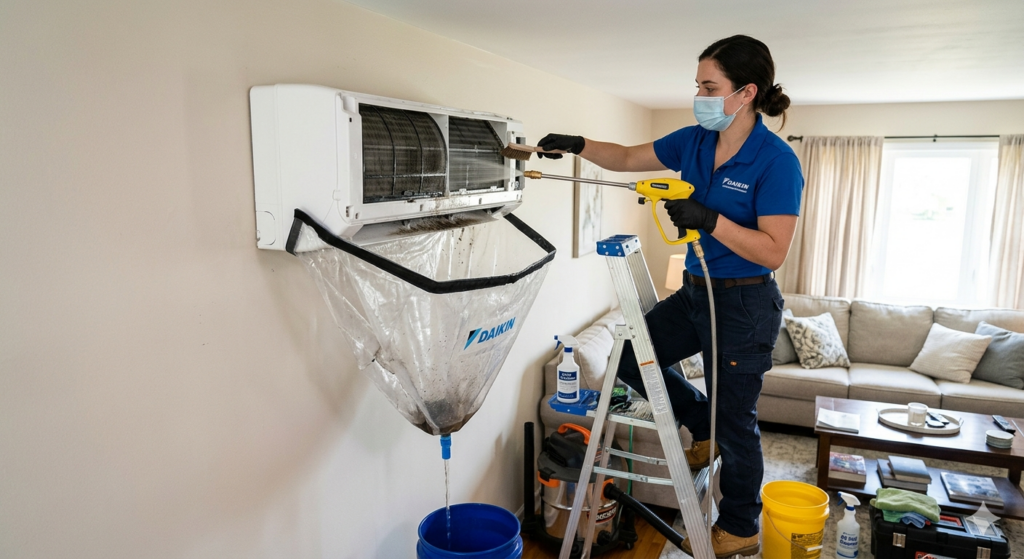
Every residential service covers these essential tasks:
1.Visual inspection
Examine units, electrical wiring, cabinets and surrounds for any damage. Verify power supply and isolator switches function properly. Check remote control and batteries work correctly.
2. Filter Cleaning
Take out air filters, vacuum them, wash thoroughly or install replacements. Look for mould or excessive dust accumulation. This will improve indoor air quality.
3. Indoor unit deep clean
Clean covers, fans, and blower wheels thoroughly. Treat evaporator coils with eco-friendly foam or spray. Flush and sanitise the drain pan and condensate line.
4. Outdoor unit maintenance
Remove debris, leaves and plant material blocking airflow. Rinse condenser coils and fins thoroughly. Use a fin comb to straighten any damage.
5. Refrigerant system check
Measure superheat and sub-cooling levels. Test for leaks. Add refrigerant if needed (requires gauges and certification).
6. Electrical and mechanical tests
Secure all connections. Lubricate motors and bearings where applicable. Verify capacitors, compressor, fans and safety switches operate correctly.
7. Performance testing
Use anemometer to measure airflow. Verify supply and return air temperatures with a thermostat. Check thermostat accuracy. Run complete system cycle through all fan speeds and operating modes.
8. Final report
Document all findings, efficiency metrics and recommendations. Identify any parts requiring replacement soon.
Wall-mounted or multi-head splits are simpler to service, typically taking 45 minutes to an hour and a half. The work focuses on your indoor wall unit and outdoor condenser since there’s no ductwork involved.
Central ducted systems take longer to service properly, usually an hour and a half to three hours. The hidden components throughout your home require more extensive inspection.
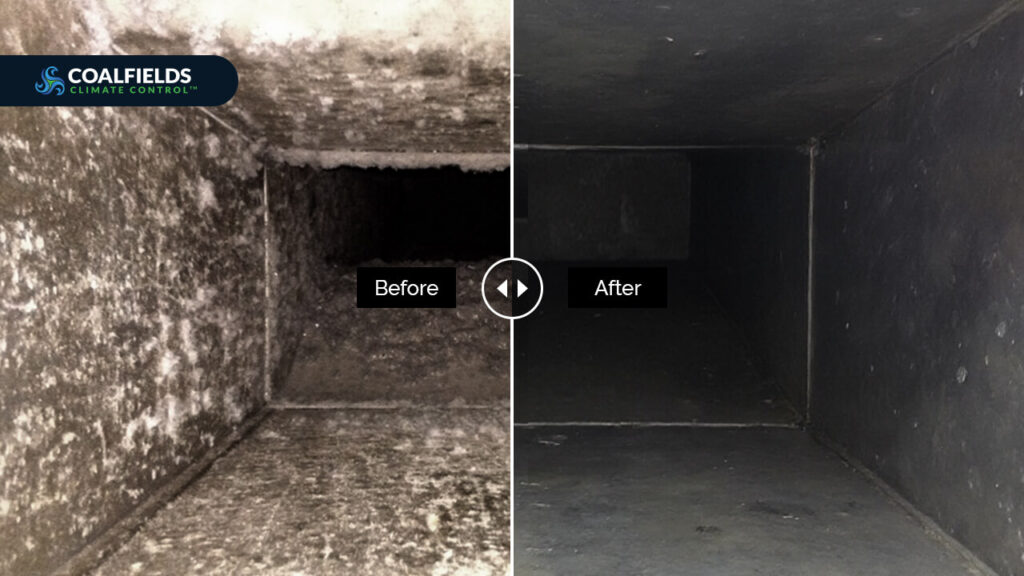
Most clients see savings on their energy bills of around 10 to 20 percent after professional servicing of their air con. They’ll notice more cool air and heating performance will have improved noticeably, especially with regular maintenance. Breakdown frequency drops because problems get caught early.
Air conditioning maintenance in the Hunter Valley starts from $139 for a standard split system service. Regular servicing catches problems early, saves energy, and prevents expensive emergency repairs during summer heat. If you’re unsure whether your current maintenance schedule matches your system’s actual workload, consider booking an assessment. A technician can evaluate your specific conditions and recommend a servicing plan that makes sense for your property. Book a service online or call 0422 493 102.

Thanks for reading – We'd love to hear your comments, or reach out for more customised advice for your property and cooling systems.
The Coalfields Climate Control Team.


We are proud to serve a wide range of locations across the Hunter Valley region. Whether you need air conditioning, refrigeration, or solar solutions, our expert team is ready to provide fast, reliable service. Explore the areas we cover below, and get in touch with us for tailored solutions designed to meet your needs, wherever you are.