Last updated on June 14, 2025
One in three solar system owners has experienced problems with their setup and had to call for solar power repairs. Even more concerning? A 2018 CHOICE survey found that 21% of owners had no idea if their solar panel system was performing properly.
That’s a lot of people missing out on the solar energy savings they paid for.
Solar panels are great technology, but like any investment, they need proper care to help you save money on your electricity bill.
Let’s discuss the most common issues that can affect your solar system’s performance, so you know what to watch for and how to keep your solar investment running at peak efficiency.
Dirty panels can lose up to 30% of their energy efficiency. That’s like throwing away one-third of your investment’s energy production. Below are the most common problems that affect the efficiency of your solar system.
What affects solar panel efficiency?
The good news is regular rainfall can do most of the cleaning work for you. However, extended dry periods or stubborn substances like tree sap may warrant an intervention on your part.
A gentle rinse can work wonders on panel performance, if you can safely hose the panels from the ground level. Never attempt to climb onto your roof or use a ladder to clean the panels yourself. Falls often send thousands of Australians to the hospital every year, plus you’ll also be dealing with high-voltage equipment so that’s even more dangerous.
Learn more: Does Cleaning Solar Panels Really Make a Difference?
Think of PID like a slow leak in the performance of your solar system. It occurs when high voltages create unwanted electrical pathways between your solar cells and the ground, gradually reducing energy output. This issue becomes more pronounced in high temperatures and humid conditions, something Hunter Valley residents know well.
PID typically affects systems with high voltage strings, where the combination of heat, humidity, and electrical stress creates the perfect storm for power loss. It’s troublesome because it’s invisible to the naked eye.
The prevention strategy is straightforward: ensure your system is installed using quality components with proper grounding. That’s why choosing an accredited solar panel installation company isn’t just about compliance, it’s about protecting your long-term investment.
If you’ve noticed a significant drop in your electricity production that can’t be explained by weather patterns or obvious damage, PID might be the culprit. An experienced solar technician can diagnose and solve this issue.
Solar panels work efficiently for up to 25 years, with performance warranties typically guaranteeing they’ll still produce at least 80% of their rated power after a quarter-century.
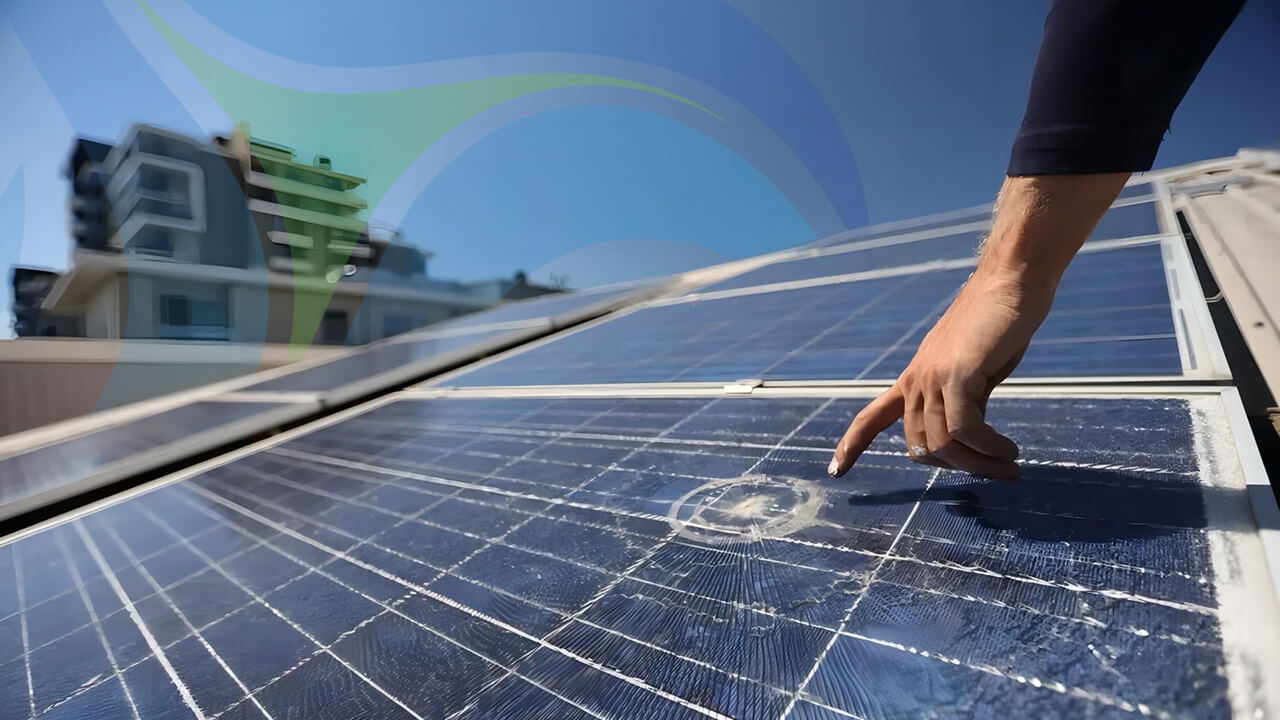
However individual cells can have solar panel issues. It’s just one or a few cells, it doesn’t necessarily mean the whole sheet or panel is broke. Keep an eye out for obvious warning signs like discoloured areas on solar cells. These “hot spots” indicate where a panel has overheated and suffered damage.
Your entire solar power system faces an additional challenge: accelerated corrosion of electrical connections especially in coastal and humid areas of Hunter Valley. High humidity accelerates metal degradation, and faulty wiring can create a cascade of serious problems.
Wiring Faults:
Corrosion Issues:
Isolation Faults:
Left unaddressed, electrical problems can escalate from minor efficiency losses to serious safety hazards, including fire risks and structural damage to your roof. This is why routine professional inspections are important to keep your solar panels optimal performance and longevity.
Australia’s weather doesn’t mess around. Even modern solar systems aren’t exempt from the brunt of these mood swings. Severe storms can physically damage panels through hail, flying debris, or extreme winds. Meanwhile, our local wildlife – from curious possums to nesting birds – can create their own unique challenges.
Take a careful look at your solar energy system after any significant weather event:
Document everything with photos if you spot damage. This creates a clear record for insurance claims and helps professionals understand exactly what needs attention.
Remember, this inspection should always be done from ground level. Leave the up-close examination and repairs to a qualified solar company that has the proper safety equipment and expertise.
Your inverter is the translator of your solar power system, converting the DC power your panels generate into the AC power your home or business can use. While your panels are built to last 25+ years, inverters typically need replacement around the 15-year mark.
Your inverter’s health depends on a few key factors:
Today’s inverters are much more user-friendly than older models. They provide clear error messages that, when checked against your user manual, make troubleshooting a faulty inverter relatively straightforward.
One quick tip: Check that your system’s breaker hasn’t automatically switched to the OFF position after any power outage. This simple check can save you an unnecessary service call to your solar installers.
You should have received an owner’s manual with estimated monthly production figures when your system was installed. It will show your expected average daily kilowatt hours (kWh) or monthly yield.
Check these estimates against your actual solar output using your inverter’s app or web interface.
If you have 6kW of panels, that’s the maximum output under perfect laboratory conditions. Solar panels are a great source of renewable energy, but in the real world, they’ll almost never hit 100% efficiency even if you buy top of the line quality panels.
A well-designed system minimises these losses and can deliver close to its rated output under direct sunlight. Significant drops below your manual’s estimates could indicate one of the issues we’ve discussed above.
Yes, solar panels can often be repaired, but the success depends on the type and extent of damage. Minor issues like micro-cracks or wiring problems are usually fixable by professional repair services. Severe damage like extensive cracks or broken cells might require panel replacement.
As always, regular maintenance of your solar panels, and frequent checks of your inverter, and solar battery will ensure your investment will serve you for years to come. Due to local weather and industries in the Hunter Valley, we recommend maintenance and cleaning of panels at least twice a year. Doing so ensures your solar system works 100%.
Never attempt DIY repairs on your solar system. You’ll be dealing with electrical components that pose serious risks.
If you must troubleshoot or clean your panels:
When to clean: Early morning or late evening to avoid water streaks from rapid drying.
How to clean:
Remember: Always clean from ground level where possible, and call professionals for any cleaning that requires roof access.
While regular checks and cleaning can prevent many problems, some issues require expert attention.
Call a Professional if You Observe:
A certified solar technician has the expertise, safety equipment, and insurance to handle these problems properly. They can diagnose issues accurately and ensure your solar panels meet Australian standards and warranty requirements.
Message us if you need reliable solar power repair and maintenance.


We are proud to serve a wide range of locations across the Hunter Valley region. Whether you need air conditioning, refrigeration, or solar solutions, our expert team is ready to provide fast, reliable service. Explore the areas we cover below, and get in touch with us for tailored solutions designed to meet your needs, wherever you are.