Last updated on December 4, 2025
When summer rolls in and the heat becomes unbearable, many homeowners find themselves in the market for a reliable air conditioning unit. Among the top contenders in air conditioner brands in Australia are Fujitsu vs Samsung, both of which promise to keep your home cool and comfortable. But which of these two giants holds the crown? In this article, we’ll explore the key differences, advanced features, and benefits of each brand, helping you decide which air conditioning system is right for your needs. Fujitsu versus Samsung – are they even in the same league?
The battle between Fujitsu and Samsung air conditioners is not merely about aesthetics and brand loyalty; it involves examining various essential factors that contribute to reliability, performance, and efficiency. Understanding these differences can help you make an informed decision regarding which air conditioning unit will best complement your lifestyle. Now let’s also assume that just because you’ve heard of the brand, it doesn’t automatically mean they make good AC units.
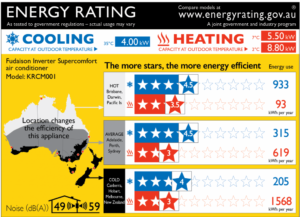
Energy efficiency is a hot topic in the air conditioning world, and rightly so! In a time when energy bills can skyrocket in Australia, having an energy-efficient air conditioner is a significant advantage. Fujitsu air conditioners are known for their impressive energy efficiency ratings, thanks to their inverter technology that adjusts cooling and heating output according to the room’s requirements. Similarly, Samsung air conditioners also offer a range of energy-efficient models that can keep your home cool while being kind to your wallet. When comparing energy efficiency, both brands stand tall in the league of top 10 air conditioner brands, but it’s essential to check the specific models since ratings can vary.
Another thing to add is that getting the right sized Aircon unit is your best way to keep energy efficiency under control.
1 Point for Fujitsu, 1 Point for Samsung.
Reliability is another critical factor when choosing the best air conditioner brand. Fujitsu has earned a stellar reputation for producing durable units that withstand the test of time, making it one of the best brands in the market. On the other hand, Samsung has made waves with its innovative technology and budget friendly options. Both brands have models that excel in cooling capabilities, but customers often lean towards Fujitsu when it comes to long-term reliability. This leads us to an important point: while performance can be subjective, reviews generally suggest that Fujitsu air conditioners hold an edge in robustness.
2 Point for Fujitsu, 1 Point for Samsung.
If you’re on the lookout for advanced features, both Fujitsu and Samsung have plenty to offer. Fujitsu air conditioners come equipped with various functionalities, including air purification systems, which are crucial for maintaining quality air in your home. Samsung, on the other hand, has stepped up its game with smart technology integration, allowing you to control your air conditioning system remotely via a free mobile app. Both brands offer a wide range of models with distinct features, so it’s worth exploring what each brand offers to find the perfect match for your cooling needs.
3 Points for Fujitsu, 2 Points for Samsung.
Unfortunately, from time to time, things go wrong. All brands are susceptible to failures and issues which arise through normal operation, thus why all manufacturers offer a warranty period. Typically in Australia, most large manufacturers offer a full 5 year parts and labour warranty. Some brands offer an additional warranty for particular components, like compressors, for example (this can be more of a marketing ploy, rather than a generous offer – but more on that later!). The warranty period is very important, and I always recommend potential clients to ensure that whoever installs their new A/C unit is authorised by the manufacturer to perform repairs under warranty – the last thing you want to do is run around finding a warranty agent if your new unit has an issue when the aircon installer has wiped their hands clean of you. Generally, most brands will dispatch warranty parts within 48 hours for approved warranty agents.
What comes after the 5 year warranty has lapsed is probably more important… Because you’re now up for the cost of repair! When it comes to technical support, Fujitsu really is light-years ahead of Samsung. Fujitsu has a local, Australian-based Technical Support team who are able to talk to your A/C tech over the phone to help diagnose an issue. Tech Support helps expedite diagnostics and repairs, so generally it costs you less! Samsung also has a technical support team, although unless you’re attending A/C technician is a Samsung warranty agent, the Samsung tech support team outright refuses to assist, making it difficult to accurately diagnose some faults.
4 Points for Fujitsu, 2 Points for Samsung.
When looking to purchase a new split system, whether to replace an existing old clunker or a new one for the teenager’s bedroom, one of the first questions on a purchaser’s lips is: “how much will it cost?”.
This is not the most common deciding factor, but a very common question which cannot be answered with a cookie cutter response. Between the two brands, Fujitsu is considered a “premium” brand and Samsung is considered a “mid-tier” system, therefore it stands for the reason that Fujitsu does come with a slightly higher initial price tag. Depending on the capacity of the units, this could be as little as a few bucks for a 2.5kW system for a bedroom or over $500 for a larger capacity unit for a lounge-room for example. Generally, the cost to install either brand is similar, if not the same, so you’re generally only paying the difference between the price of the unit themselves.
When it comes to the cost of repairing a broken down system outside of the warranty period, there are many things to consider as well. Most common parts are similar in price, for example, an inverter PC Board for an 8-year-old Fujitsu unit would typically be expected to be within $100-300 of an inverter PC Board for a Samsung.
Generally speaking, the Japanese brands on average hold parts stock a lot longer compared to other brands, making it easier to repair an older unit down the track, instead of parts being obsolete. Therefore, replacement of the whole unit is required.
5 Points for Fujitsu, 2 Points for Samsung.
When considering Fujitsu air conditioners, it’s only natural to compare them against other industry giants such as Daikin and Mitsubishi Electric. Each brand brings its own flair to the air conditioning market, and understanding these nuances can help you make a better choice.
On the other hand, some people have a bias towards a particular system “just because”. They might like the photo of the French Bulldog in the brochure (no joke, one fella did select his new unit because of a Frenchie photo!) or their Aunt recommended a particular brand or they’ve had a unit at their previous house that ran for 30 years and never had an issue. It’s like the old “Ford vs. Holden” rivalry – who knows where the brand bias arose, but you’ll never trust another!
Fujitsu air conditioning technology is designed with the user in mind. Their units often feature advanced inverter technology that allows for precise temperature control while minimising energy consumption. This makes Fujitsu a popular choice among eco-conscious consumers who want to lower their carbon footprint without sacrificing comfort. The brand’s commitment to quality air is evident in its implementation of air purification features, making it a worthy competitor in the air conditioning arena.
6 Points for Fujitsu, 2 Points for Samsung.
Daikin air conditioners are often heralded as the benchmark in the industry, and for good reason. They are renowned for their exceptional energy efficiency and innovative technology. However, when stacked up against Fujitsu, it becomes clear that both brands have their strengths. While Daikin may lead in terms of overall market share of Australian sales, Fujitsu holds its ground with reliable performance and longevity. Ultimately, the choice between the two can boil down to personal preference, specific cooling needs, and budget considerations.
Like a classic rivalry, the comparison between Mitsubishi Electric and Fujitsu air conditioners can spark a heated debate. Mitsubishi Electric is known for its whisper-quiet operation and advanced energy management systems. While both brands offer impressive performance, Fujitsu often shines in the realm of reliability and user-friendliness. For homeowners seeking a dependable air conditioning unit that can withstand the rigors of daily use, Fujitsu might just be the better option.
Choosing the right air conditioning system is akin to picking the perfect outfit; it needs to fit your home’s unique requirements. Ducted and split systems each have their own advantages and disadvantages, so understanding these can help you make an informed decision.
Ducted air conditioning systems are an excellent choice for those looking to cool multiple rooms simultaneously. They work by distributing cool air through ducts installed in the ceiling or walls, providing a seamless, integrated solution for whole-house cooling. However, installation can be more complex and costly, making it crucial to assess your home layout and budget before diving into ducted systems.
On the other hand, split system air conditioners are perfect for those who want efficient cooling without the hassle of ductwork. These systems consist of an indoor unit and an outdoor compressor, making them easier to install and maintain. Split systems are ideal for single rooms or smaller spaces, allowing for targeted cooling and flexibility. Plus, they often come with advanced features that enhance user experience, making them a popular choice among homeowners.
Choosing the best air conditioning system for your home boils down to understanding your specific cooling and heating needs. Consider factors such as the size of your space, insulation, and how often you require cooling versus heating. Budget is also a significant consideration, as some systems may have higher upfront costs but offer long-term energy savings. By evaluating these aspects, you can determine whether a ducted or split system is the right air conditioning solution for your home.
There’s no comparison, really.
6 Points for Fujitsu, 2 Points for Samsung.
As we reach the conclusion of our air conditioning showdown, it’s essential to weigh the critical elements that will influence your decision between Fujitsu and Samsung. Both brands have their merits, but specific considerations can help you pinpoint the right air con unit for your needs.
Your cooling and heating needs are paramount when selecting an air conditioning unit. Evaluate the size of the space you want to cool, your climate, and how frequently you use heating versus cooling. This assessment will guide you toward the most efficient model, whether you lean toward Fujitsu or Samsung.
Budget is a significant factor to consider. While Fujitsu air conditioners may offer more reliability, Samsung offers a more budget friendly option that could sway your decision. It’s essential to balance upfront costs with long-term energy efficiency and reliability to get the best value for your investment.
Finally, think about long-term reliability and maintenance. Fujitsu has a strong track record for durability, while Samsung’s innovative technology offers cutting-edge convenience. Understanding your willingness to perform aircon maintenance, combined with the expected reliable service life of the units, manufacturer parts retention and the ease of future repairs and cost of parts can help you make a choice that pays off in the long run.


We are proud to serve a wide range of locations across the Hunter Valley region. Whether you need air conditioning, refrigeration, or solar solutions, our expert team is ready to provide fast, reliable service. Explore the areas we cover below, and get in touch with us for tailored solutions designed to meet your needs, wherever you are.