Last updated on July 30, 2026
If you’ve made it this far, you’ve probably realised something. Most air conditioning systems don’t suddenly “die.”
Instead, they gradually give you clues that something isn’t quite right. Reduced airflow.
Longer running times. Higher electricity bills. Water leaks.
Strange noises.
A slight decline in cooling performance.
The challenge is that these warning signs are often easy to ignore—particularly when the system is still keeping the house comfortable.
Unfortunately, air conditioners don’t usually repair themselves. Small problems almost always become larger ones over time. A clogged filter becomes a frozen evaporator.
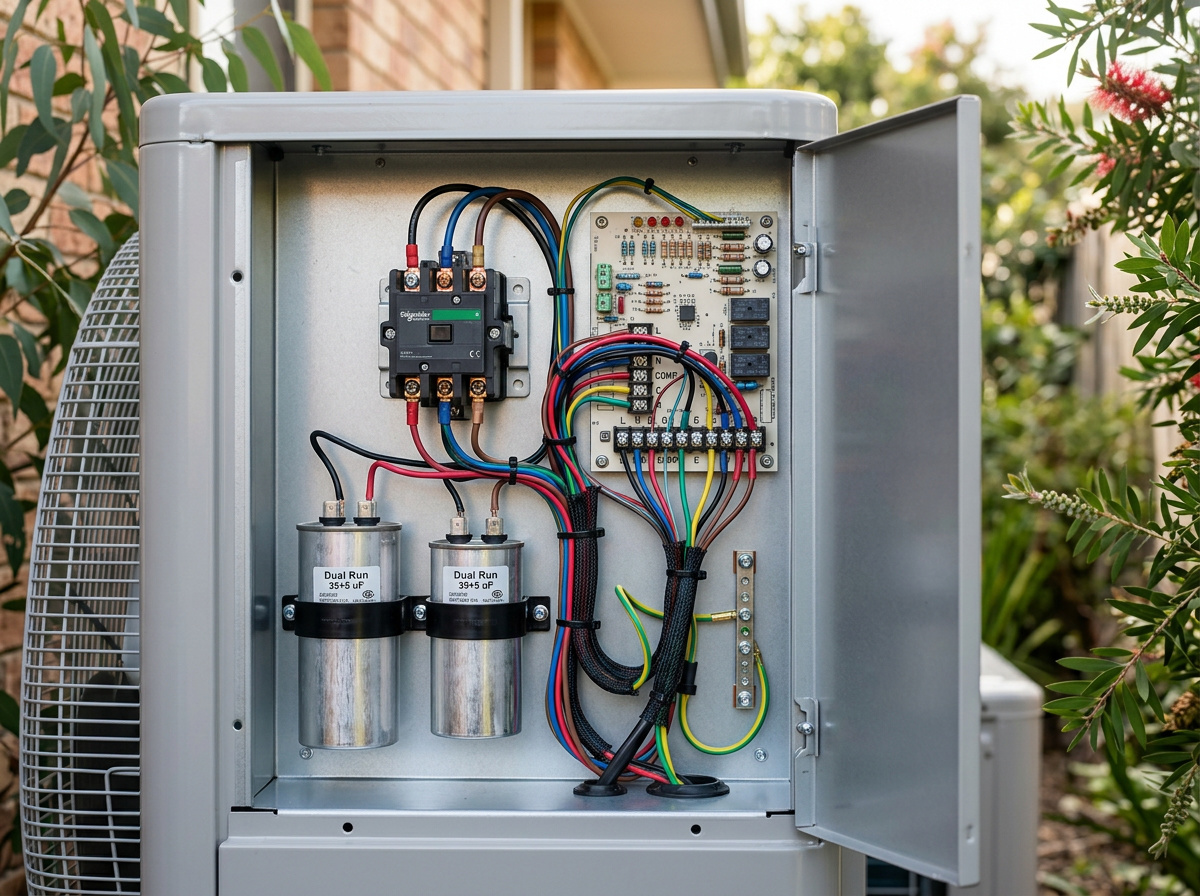
A weakening capacitor becomes a compressor that struggles to start. A blocked condensate drain becomes water damage inside the ceiling. Preventative maintenance isn’t about spending money for the sake of it.
It’s about reducing the likelihood of major repairs, extending the life of your equipment and ensuring your home stays comfortable when you need it most.
The Hunter Valley experiences long, demanding cooling seasons, which means maintenance shouldn’t simply be a once-a-year afterthought.
Breaking it into seasonal tasks makes it much easier to stay on top of.
September to November is the ideal time for annual servicing.
Demand for repairs hasn’t yet reached its summer peak, and you’ll have confidence your system is ready before the first heatwave.
We recommend:
This is when Hunter Valley systems work hardest.
During extended periods above 35°C, your air conditioner may operate for many hours without stopping.
Throughout summer:
If your system begins struggling during the first hot days of summer, don’t assume it will improve by itself.
Once the weather begins cooling, it’s worth checking how your system performed over summer. Ask yourself:
Did cooling seem weaker?
Were electricity bills noticeably higher? Did the system make new noises?
Were there any water leaks?
Small issues identified now are often less expensive to repair than waiting until next summer.
Many Hunter Valley homeowners use reverse-cycle air conditioning for winter heating. Before relying on it:
During colder mornings, you may notice steam or mist coming from the outdoor unit. This is usually part of the normal defrost cycle and isn’t a fault.
You don’t need to be technically minded to improve the reliability of your system. A few simple habits can make a significant difference over time.
Clean filters regularly
Probably the easiest and most effective maintenance task any homeowner can perform. Keep outdoor units clear
Air needs room to circulate.
Avoid storing bins, garden equipment or timber against the condenser. Don’t ignore small changes
If something sounds different, smells unusual or begins performing differently, investigate early. Schedule professional servicing
Regular servicing identifies wear before it becomes failure. Use realistic temperature settings
Setting your air conditioner to 16°C won’t cool your home any faster. It simply asks the system to operate continuously.
Most homes remain comfortable between 23°C and 25°C during summer, balancing comfort with energy efficiency.
Why won’t my air conditioner turn on after a power outage?
Many modern systems include built-in compressor protection delays. Wait five minutes after power is restored before assuming there’s a fault. If the system still doesn’t respond, check your circuit breaker and remote batteries.
Can dirty filters stop an air conditioner from working?
Indirectly, yes.
Restricted airflow can cause evaporator coils to freeze or trigger safety shutdowns designed to protect the system.
Cleaning filters regularly helps prevent this.
How often should filters be cleaned?
For most Hunter Valley homes, every one to three months.
Homes affected by dust, pets, bushfire smoke or rural conditions may benefit from monthly cleaning during summer.
Why is my air conditioner running but not cooling?
Common causes include:
A professional diagnosis is usually required if basic maintenance doesn’t resolve the issue.
Is it safe to reset a tripped circuit breaker?
Once.
If it immediately trips again, stop resetting it and arrange professional inspection. Repeated tripping usually indicates an underlying electrical fault.
Do air conditioners need regassing?
Not as part of routine maintenance.
Air conditioners operate as sealed systems.
If refrigerant is low, a leak should be located and repaired rather than simply topping up the gas.
How long should a residential air conditioner last?
Quality systems often provide reliable service for 10 to 15 years, with some lasting longer when regularly maintained.
Usage, installation quality and servicing history all influence lifespan.
Should I repair or replace my air conditioner?
That depends on:
A trustworthy technician should explain all available options before recommending replacement.
Why does my outdoor unit make steam during winter?
This is usually part of the normal defrost cycle.
Reverse-cycle air conditioners periodically remove frost from the outdoor coil during cold weather. It’s generally nothing to worry about.
Is annual servicing really necessary?
Yes.
Routine servicing improves efficiency, reduces wear, identifies developing faults and helps maintain reliable performance during periods of heavy demand.
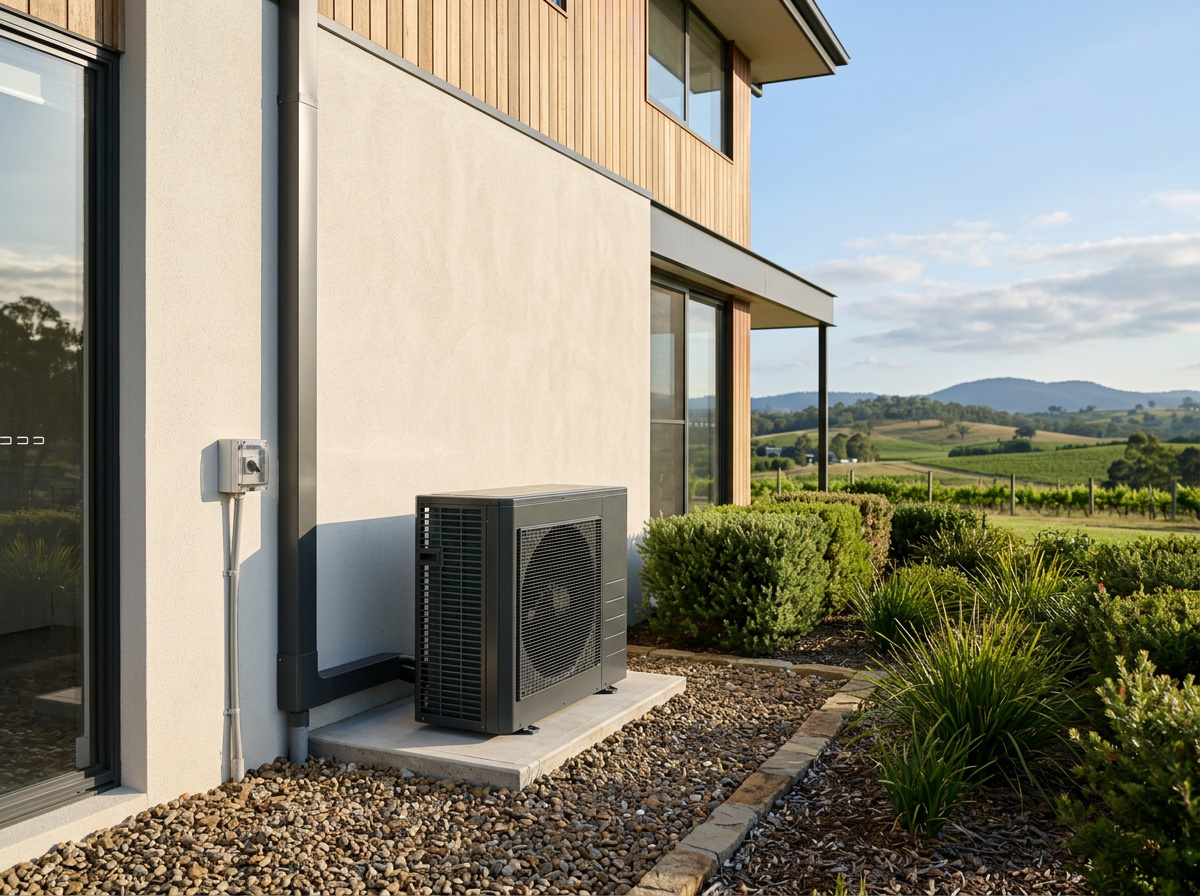
Air conditioning systems don’t operate in identical environments across Australia.
A home overlooking the coast experiences different conditions to a property on acreage outside Muswellbrook or a family home in Singleton.
Dust, pollen, summer heat, bushfire smoke and seasonal storms all influence how air conditioning systems perform throughout the Hunter Valley.
That’s why local experience matters.
Understanding the region means understanding the conditions your system deals with every year and recognising the faults those conditions are most likely to create.
If you’ve worked through the checks in this guide and your air conditioner still won’t turn on, professional diagnosis is the next logical step.
At that stage, continuing to guess rarely saves money.
It often delays the repair and, in some cases, allows additional damage to develop. The aim should always be to identify the actual cause before replacing parts.
That’s exactly how we approach every repair.
“A Singleton homeowner thought they needed a new air conditioner after it stopped working during a January heatwave. The cause was a failed capacitor, and the system was back up and running the same afternoon.”
“Following a period of bushfire smoke, a Muswellbrook family noticed poor cooling. A heavily clogged outdoor coil was restricting airflow, and a professional clean restored performance without replacing any parts.”
“A Maitland customer reported water dripping from the indoor unit. The issue wasn’t a major fault but a blocked condensate drain, which was cleared before it caused ceiling damage.”
At Coalfields Climate Control, we’ve spent decades helping homeowners and businesses throughout Singleton, Muswellbrook, Maitland, Cessnock and the wider Hunter Valley keep their air conditioning systems operating efficiently and reliably.
Whether the solution is replacing remote batteries, cleaning blocked drains, repairing electrical components or helping you decide whether an ageing system is still worth repairing, our advice remains the same:
We’ll always recommend the solution that’s right for your system—not simply the most expensive option.
Sometimes that’s a straightforward repair. Sometimes it’s preventative maintenance.
Occasionally, it’s an honest conversation about replacement.
Whatever the outcome, you’ll understand exactly what’s happened, why it’s happened and what your options are moving forward.
That’s how we believe air conditioning service should be.


We are proud to serve a wide range of locations across the Hunter Valley region. Whether you need air conditioning, refrigeration, or solar solutions, our expert team is ready to provide fast, reliable service. Explore the areas we cover below, and get in touch with us for tailored solutions designed to meet your needs, wherever you are.